“Don’t explain your philosophy. Embody it.” — Epictetus
There’s a version of a man that most men are performing. He talks about who he is. He tells people what he believes. He announces his values in rooms where it might benefit him to do so. And then he goes home and lives like someone else entirely.
That’s been true for me at different seasons of my life. More than I’d like to admit. The gap between the man I was describing and the man I actually was — that gap almost cost me everything. What I’ve learned, slowly and painfully, is that you don’t build a philosophy and then go live it. You live it, every day, in the small moments no one’s watching, and the philosophy emerges from that.
I’ve distilled mine down to two words. Builder and protector. Everything I do — at AP Corp, with my kids, in my relationship, in my own head at five in the morning — nests under those two words. I don’t lead with them. I don’t put them on a slide deck or introduce myself with them. I just try to build and protect, and let that speak for itself.
Here’s the thing about embodying a philosophy: it draws fire. When I started doing this work in earnest — really committing to who I was, what I stood for, how I was going to show up — the people around me who weren’t aligned with that started pushing back. There was a period where I genuinely questioned myself. Maybe I’m wrong. Maybe my way of thinking is flawed. Maybe I should soften this.
Thank God for the right men at the right time. My mentor Nick would look at me and say, you’re on the right track. The men in my circles reflected it back. And I started to realize that the resistance wasn’t a sign I was wrong. It was a sign I was close to something real. The universe, or God, or whatever you want to call it — it was testing how committed I actually was.
Most men have never defined their terms. Not really. They’ve got goals, maybe some core values they read off a list once. But their internal operating system — the two or three things that make them who they are, that serve as a North Star when everything else is chaos — that work hasn’t been done. And without it, you’re just reacting. You’re living someone else’s philosophy by default.
Here’s what happened this week that drove that idea home for me.
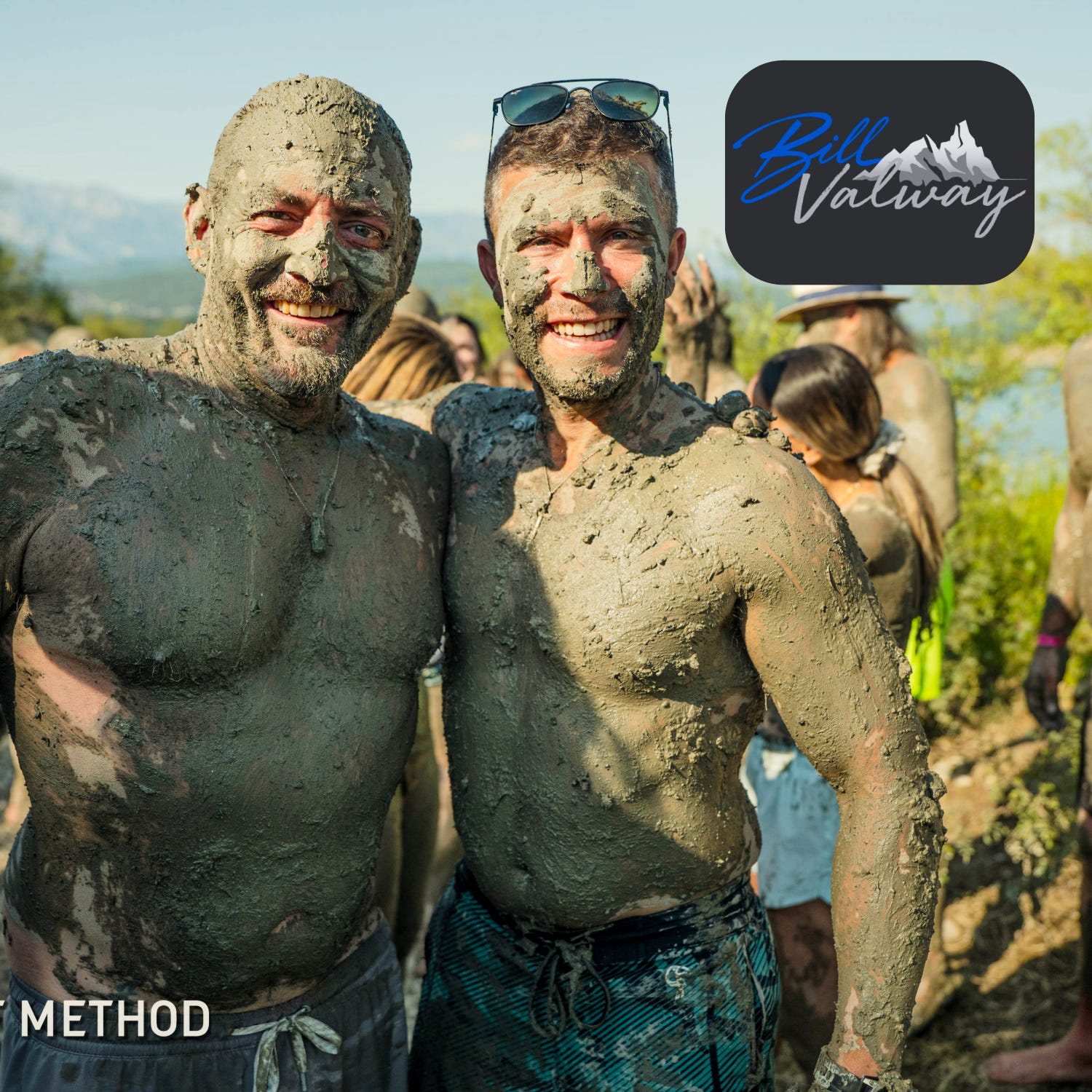
A few years back, I was in one of the most chaotic seasons of my life. Business under pressure. Going through divorce. Two kids. Everything moving at once. I could have stayed in the trenches and ground it out. Instead, I got on a plane to Spain.

I’d heard of Wim Hof. Most people have. The Iceman. Ice baths. Extreme endurance. I signed up thinking it was going to be a physical challenge — that I was going to test myself against the cold, come out the other side tougher, go home.
What I didn’t know going in was that the ice is almost secondary. The Wim Hof breathing method — that’s where the real work happens. The ice breaks down mental barriers. The breathing opens something deeper. It releases what’s been stored. Years of it.
By day three, about 150 of us were laid out on mats under these birch trees right on the edge of a lake in southern Spain. Wind moving through the trees. Drums playing. We’d already been through the ice — I’d gone fifteen minutes in one session, and in another, the in-and-out intervals had me shaking harder than I’ve ever shaken in my life. I learned something important in that moment: a female instructor came over, grabbed my face, looked me in the eyes and said, breathe with me. I matched her cadence. Within two minutes, my body stopped convulsing and started warming from the inside out. My mind had been telling my body it was in danger when it wasn’t. The moment I calmed my mind, my body followed.
We went through several rounds of the breathing — in, out, in, out, rapid and controlled, then a deep inhale, a long exhale, hold with empty lungs for a minute and a half, breathe in deep, hold, release, repeat. Somewhere in the third or fourth round, I started to feel something rising from deep in my stomach. Emotion. Old emotion. The kind you’ve been carrying so long you forgot it was there.
And then it broke open.
I don’t have a clean way to describe what happened next. I could hear myself yelling and crying. My body stretched out, almost lifting off the mat. Two instructors came over and held my feet. I had no idea how much time was passing. When I came back, I’d broken a blood vessel in my eye. People were coming over to hug me. And I had absolutely no idea what had just happened — only that something had.
The Indians call it arrow pulling. I’d been carrying arrows for years — traumatic experiences, unprocessed pain, the weight of everything I’d been through. The breathing pulled them out. What was left afterward felt lighter than anything I’d felt in years. Colors looked different. My life felt worth living at a higher level. Something that had been sitting in my chest for a long time was gone.
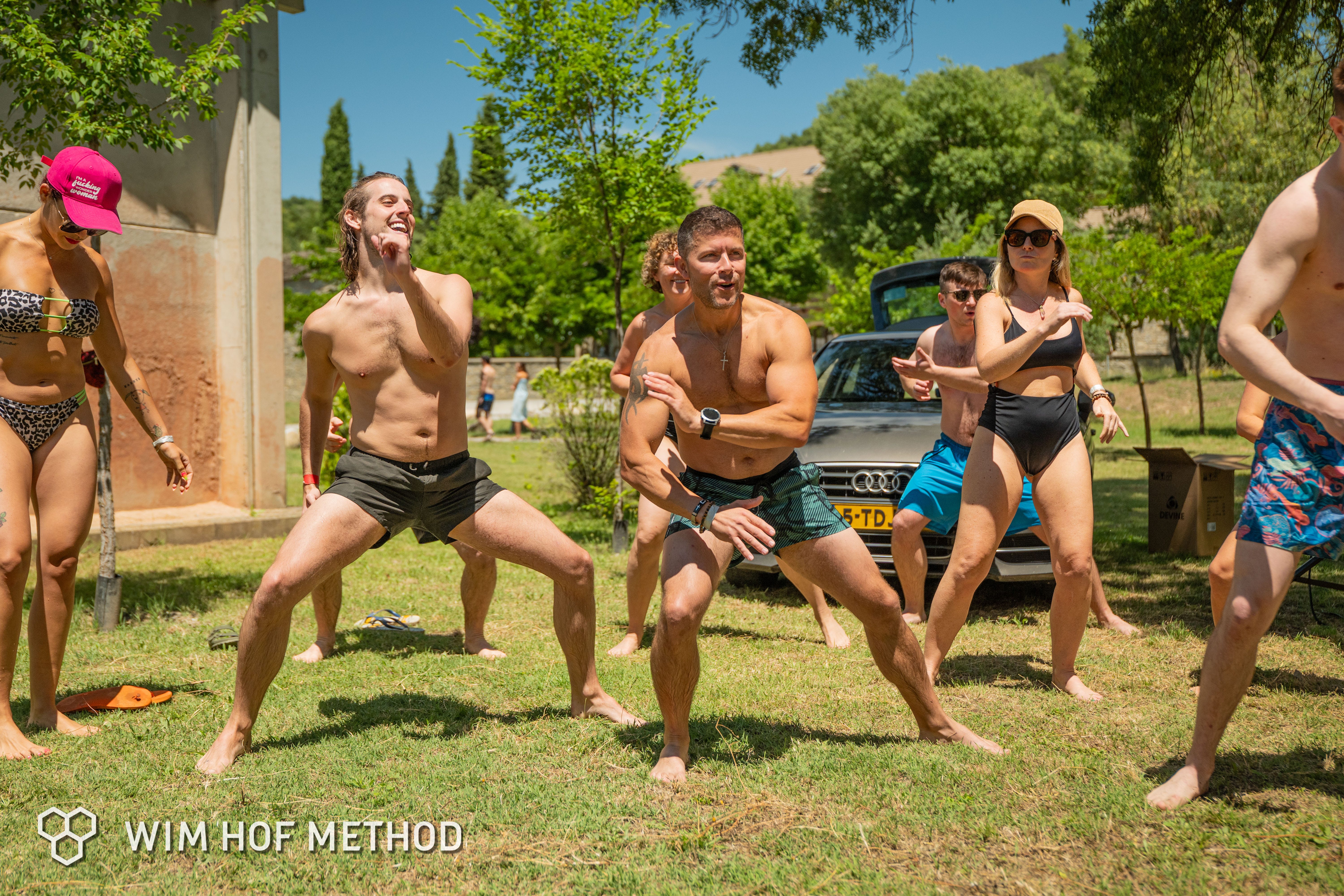
I came home from Spain and my life started to open up in ways I hadn’t expected. I met my partner Desiree. AP Corp started moving differently. I was different — not because the circumstances had changed, but because I’d made a choice in the middle of chaos to invest in myself. To choose myself, so I could be of maximum service to everyone else.
That’s what embodying a philosophy actually costs. It costs you the trip when the business is struggling. It costs you the uncomfortable room. It costs you the moment of looking crazy on a mat in Spain in front of a hundred and fifty strangers.
This week’s lesson: The man you want to be is already in there. Most of the time, you just have to clear out what’s been blocking him.